Restaurants, rentals and multi-unit properties: main lines and grease-loaded drains cleaned on a plan, before they close a business or flood a unit. Call (941) 344-0204 to talk it through with a local drain professional.
What Commercial Drain Cleaning Is
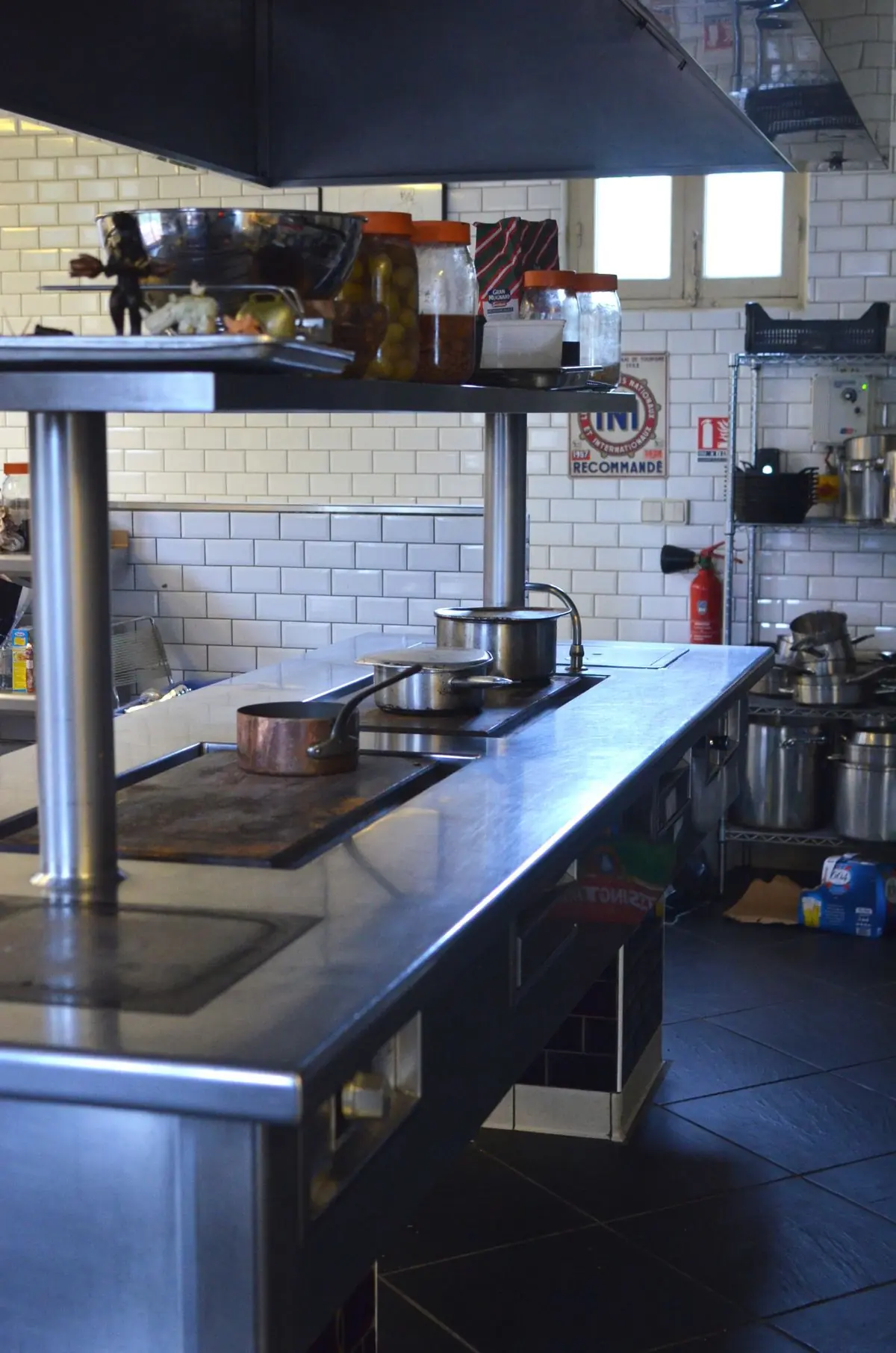
Commercial drain cleaning covers the lines a business or property depends on: restaurant kitchen drains carrying grease all day, apartment building mains serving dozens of bathrooms, retail and office plumbing that cannot back up during business hours.
The work is the same physics as residential cleaning, at larger scale and with a planning dimension homes do not need, because a commercial backup is measured in closed kitchens, displaced tenants and health-code conversations.
If you are deciding between commercial drain cleaning and a bigger fix, the overview of Bradenton hydro jetting services explains how cleaning, inspection and repair fit together, and the sections below cover commercial drain cleaning in the depth you need before you call.
How The Work Is Done
01
Jetting As The Core Method
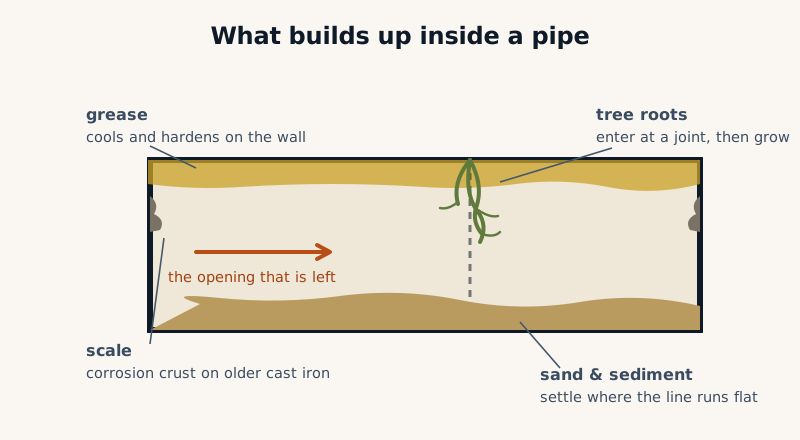
Commercial lines, above all food-service lines, clog with grease in volumes residential pipes never see. Cables open a path and the path closes.
Hydro jetting is the standard commercial method because it strips the grease coating along the full run and flushes it out, restoring the diameter the line was built with.
Floor drains, kitchen branches and building mains are jetted from their cleanouts on a planned rotation set by how fast each line loads.
02
Camera Surveys For Property Decisions
For managers and owners, the valuable product is often information: a camera survey of a building's mains before purchase, before a renovation, or after the second unexplained backup.
Measured, recorded findings turn drain spending from emergency reaction into a maintenance line item, and they document the property's condition for buyers, insurers and partners.
03
Planned Maintenance Programs
Properties with recurring load, restaurants, laundromats, multi-unit residential, do better on a schedule than on emergencies. A program sets jetting intervals per line based on measured buildup rates: the kitchen main quarterly, the building lateral yearly, adjusted as the camera history accumulates.
The goal is boring drains, and the metric is simple: no backup during operating hours, ever, because the line never gets close to closed.
Signs You May Need This Service
The clearest signals that commercial drain cleaning belongs on your list:
A restaurant kitchen's floor drains slow down during service
Multiple units in one building report slow drains in the same week
Grease odor hangs around a property's drain areas
Backups have already interrupted business once
A property purchase or lease is pending and the drains are unknown
Tenant turnover keeps revealing the same drain complaints
A grease trap is serviced faithfully yet lines beyond it still clog
Storm season is coming and last year the parking lot drains failed
Commercial signs escalate differently: by the time a symptom is visible to customers or tenants, the line behind it has usually been narrowing for a long while. Treat the first appearance as the warning it is.
Why This Problem Happens
Commercial causes are residential causes multiplied. A restaurant sends more grease down one line in a week than a house does in a year, and it hardens the same way. Multi-unit buildings collect everything dozens of households flush, including the wipes and items no line handles well.
Older Bradenton commercial stock adds aging cast iron and clay to the arithmetic, and flat commercial lots pond stormwater against the same drains. Underneath, the story repeats: capacity shrinks quietly until an ordinary busy day exceeds it.
Bradenton's commercial drain load has a local accent: the restaurant corridors along Cortez Road and 14th Street West run some of the busiest kitchens in Manatee County, and the winter visitor season doubles their covers at exactly the moment seasonal housing also fills.
Property managers here learn to schedule jetting in the calm before that season rather than during it. The city's stock of older mid-century commercial buildings adds the familiar second factor, original cast-iron and clay lines under parking lots that were never designed for today's volumes.
A camera survey on acquisition is becoming standard practice among local buyers for exactly that reason.
Safe Checks You Can Do First
Managers can do real diagnostic work from the office. Keep a drain log per property: date, location, symptom, what was done. Patterns that are invisible across scattered invoices become obvious in one list, including which line is eating the budget.
Photograph cleanout locations and label them on a site plan while things are calm. And check the simplest multiplier first: if staff or tenants are sending grease, wipes or food solids down lines never meant for them, a five-minute briefing fixes what jetting has to keep undoing.
What The Professional Visit Looks Like
Commercial work starts with a walk of the property: where the cleanouts are, which lines carry what, where past failures happened. The pro proposes the sequence, immediate clearing for any line near failure, camera survey for the mains, and intervals for a maintenance rotation if the property fits one.
Work is scheduled around operating hours wherever the property requires it, and each visit closes with a summary a manager can file: lines serviced, findings, and the state of the system in plain terms.
What Affects The Cost
Commercial scope is set by the property's lines and its operating constraints. The factors are:
Factor
How It Affects The Job
Line size and length
Building mains and long laterals carry more scope than a single branch.
Grease load
Food-service lines with heavy buildup take longer passes and more flushing.
Number of lines and cleanouts
A program covering a whole property prices differently than a single callout.
Scheduling constraints
Work fitted around operating hours or tenant access is planned accordingly.
Camera scope
Survey footage and reporting included in the visit, per line surveyed.
Program versus callout
Scheduled maintenance intervals price more favorably than repeated urgent visits.
For property work, insist the quote separates immediate clearing, survey and any program intervals. A manager should be able to approve each line on its own merits.
When To Call Promptly
Do Not Wait If
A commercial backup during operating hours is an emergency in business terms even when it is modest in plumbing terms. If a kitchen cannot operate, a unit is flooding or customers are affected, call and describe the business impact plainly; the triage understands it.
After-hours failures in empty buildings can often be sequenced first thing instead, and you will be told honestly which case yours is.
Frequently Asked Questions
How Often Should A Restaurant's Lines Be Jetted?
It depends on volume and what the camera shows after the first thorough cleaning. Busy kitchens commonly land on quarterly jetting of the kitchen main, with the interval adjusted, longer or shorter, based on measured buildup at each visit rather than a fixed guess.
Can The Work Happen Outside Business Hours?
Commercial scheduling regularly accommodates operating hours, early mornings, closed days or tenant-quiet windows, as the property requires. Raise the constraint at booking; it is a normal part of commercial planning, not a special favor.
Do You Handle Multi-Unit Residential Buildings?
Yes, building mains serving apartment and condo properties are a core commercial case: shared lines, multiple stacks, and drainage that affects many households at once. Access coordination with management is part of the visit planning.
Is A Grease Trap Enough To Protect Our Lines?
A trap protects the city sewer from your grease; it does not protect your own lines between the sinks and the trap, which is where most kitchen buildup lives.
Trap service and line jetting are complementary, not substitutes, and the camera shows the state of the runs the trap cannot help.
Can You Survey Drains Before We Buy A Commercial Property?
Yes, and it is one of the higher-value uses of a camera. A recorded survey of the mains, with measured findings, prices the drainage risk into the purchase instead of discovering it in the first quarter of ownership.
What Documentation Does A Property Manager Receive?
A per-visit summary: which lines were serviced, the method used, camera findings where surveyed, and recommended intervals. Over a year, those summaries become the property's drain history, the document that makes every future decision easier to make well.
Related Guides
From our Bradenton drain guides, the homeowner side of commercial drain cleaning, in plain language:
A restaurant's drain line does not clog on a random day; it clogs at the end of an interval nobody set. How maintenance intervals for grease lines are actually chosen, and what the visit includes.
Commercial drains fail from habits more than from age. The grease, solids, wipes and chemicals that should never enter the line, where they belong instead, and how to make the rules stick with staff.
Read the guide →
For managers, the closing step is administrative and it matters: file the visit summary, update the property's drain log, and set the next interval in the calendar before the paperwork cools. Commercial drain programs fail from forgotten scheduling far more often than from bad plumbing.
The properties whose drains are boring are the ones whose managers treat the interval like a rent due date.
Call now and describe what your drains are doing. A drain professional who serves Bradenton will take it from there: inspect, explain, and quote the fix.